
Buy Bulk Ammo Online and Save Big on Every Round
Bulk ammo simply means buying a large quantity of cartridges in one go, usually in a single box or case, rather than picking up a few boxes at a time. The core idea is that you get more rounds for your money, which lowers the cost per shot .32 ACP Ammo for Sale and lets you spend more time at the range without worrying about running out. You can use it exactly like regular ammo—just load your magazines or cylinders as needed, and store the rest in a cool, dry place to keep it reliable. It’s a practical way to stock up for practice sessions or just have plenty on hand for your favorite firearm.
Why Buying Ammunition in Large Quantities Saves You More Than Money
Buying bulk ammo saves more than money because it secures logistical consistency and training reliability. With a large quantity, you eliminate the frequent need to re-zero your firearm after switching batches, as the same lot number ensures identical ballistics and pressure. This consistency directly improves accuracy and builds muscle memory without recalibration distractions. Bulk ammo also insulates you against temporary shortages that disrupt practice schedules. Q: How does bulk buying save non-financial resources? A: It cuts your trips to the store and reduces time spent comparing loads, leaving more hours for actual range work. Finally, a deep inventory lets you maintain a steady round count for drills, preventing the habit of rationing shots, which often compromises technique. The true value lies in predictable performance and uninterrupted skill development.
How Per-Round Costs Drop as You Scale Up Your Order
The primary mechanism behind per-round cost reduction in bulk ammunition is the fixed overhead spread across a larger unit count. A manufacturer’s expenses for tooling setup, packaging line configuration, and quality-control testing remain constant whether they run 500 or 5,000 rounds; therefore, each additional box absorbs a smaller share of that fixed cost. Logistics further amplify this effect: shipping a single heavy pallet costs far less per round than dispatching numerous small parcels, and bulk buyers also sidestep the per-box retail markup that covers individual shelf stocking. As your order .32 Win Special Ammo for Sale volume increases from 200 to 1,000 rounds, the price per cartridge drops noticeably, then flattens at the point where variable material costs dominate the equation.
- Fixed tooling and packaging costs divide across more rounds.
- One-pallet freight lowers shipping cost per unit compared to multiple small packages.
- Retail shelf-stocking and handling fees disappear with 6.5x57R Ammo for Sale direct bulk shipments.
The Hidden Savings on Shipping and Per-Box Fees
When you buy ammo by the case, the per-box price often hides the real win: the shipping and per-box fee savings. Online retailers usually charge a flat rate per box for handling, plus weight-based shipping—so a 20-box order can tack on $25–$40 in fees alone. Bulk ammo (like a 500-round case) spreads that same shipping cost across 10 or 20 boxes, cutting your effective fee per box to pennies. Even better, many sellers offer free freight on orders over a certain weight, which you only reach with bulk. You skip the “small order” penalty entirely.
Q: Does buying bulk really cut per-box fees? Absolutely—instead of paying $1–$2 handling on each individual box, you pay one consolidated fee for the whole case, saving real cash on every single round.
What to Check Before Stocking Up on a Massive Ammo Order
Before committing to a massive bulk ammo order, first verify your firearm’s chambering against the box’s headstamp—a single mismatch turns thousands of rounds into inert paperweights. Check the lot number for consistency, ensuring all cases share the same primer type and bullet weight, since mixed lots can shift point-of-impact. Inspect seal integrity: corroded rims or loose projectiles signal poor storage, ruining your investment. Confirm your storage environment—cool, dry, and airtight—can handle the volume, because moisture is the silent killer of powder. Calculate your realistic monthly range time, not your hopeful one, to avoid tying up cash in calibers you’ll rarely shoot. Before buying, ask: “Does this lot’s recoil profile match my existing carry ammo for practice?” If not, you’re training with a mismatch. Finally, weigh shipping costs per round against local pickup—bulk loses its edge when freight eats the savings.
Understanding Grain Weight and Bullet Type for Your Firearm
Before committing to a massive ammo order, understanding grain weight and bullet type is non-negotiable for reliable performance. Heavier grain bullets (like 147gr 9mm) often produce less felt recoil and better subsonic suppression, while lighter grains (115gr) yield flatter trajectories for faster target acquisition—but your firearm’s barrel twist rate and magazine feed geometry dictate which actually cycles. Matching bullet type to your firearm’s intended role prevents failures: full metal jacket (FMJ) for range practice, jacketed hollow points (JHP) for defensive carry, and flat-nose or round-nose for tube-fed lever actions. Buying 5,000 rounds of the wrong grain means wasted money on jams or keyholing. Test a small box first, then scale up.
- Verify your barrel’s twist rate before selecting grain weight for stability.
- Check your firearm’s manual for recommended bullet shape (e.g., no pointed rounds in tube mags).
- Confirm bullet seating depth matches your chamber to avoid pressure spikes.
How to Match the Lot Number and Headstamp for Consistent Performance
When evaluating bulk ammo, matching lot numbers and headstamps ensures consistent performance across your entire order. Verify that every box and case shares the same lot number, as manufacturers load each lot with identical components and tolerances, eliminating point-of-impact shifts or velocity variations. Check the headstamp—the stamped marks on the cartridge base—for the exact caliber, manufacturer code, and a batch identifier. A mismatched headstamp indicates mixed production runs, which can alter pressure or accuracy. Follow this sequence:
- Inspect the headstamp on a sample cartridge from every sealed case.
- Cross-reference that headstamp against the lot number printed on the case label.
- Reject any order where cases show different headstamps or where the lot number varies, even if the ammo appears identical.

Only accept a shipment with a single, uniform lot and 6.8 SPC Ammo for Sale matching headstamps to guarantee repeatable ballistics and reliable cycling in your firearm.
How to Properly Store a Large Cache of Cartridges for Decades
For a bulk ammo cache meant to last decades, your primary enemy is moisture, not time. Store cartridges in their original factory boxes or, better, in sealed, heavy-duty ammo cans with a desiccant pack added to each. Do not stack loose rounds; the friction damages primers and bullet seals. Keep the sealed cans in a cool, dark, and consistently dry environment—a basement 6.5×55 Swedish Ammo for Sale floor is too damp, so elevate them on plastic pallets or wooden shelving to prevent condensation wicking upward. Rotate your stock physically every year to avoid pressure-induced case deformation, and never oil the rounds themselves; a light, dry film on the exterior of the can is sufficient. If you follow this airtight and moisture-controlled discipline, your bulk ammo storage for decades will remain reliable and corrosion-free.
Using Ammo Cans and Desiccants to Prevent Corrosion and Duds
For decades-long bulk storage, ammo cans with desiccants are your first line of defense against corrosion and duds. The rubber gasket on a military-style can creates a near-hermetic seal, but trapped humidity inside will still condense on brass and primers. Add silica gel packets—recharge them in a low oven at 200°F every six months—to actively pull residual moisture from the air pocket. Drop in a reusable humidity indicator card; if it shows above 40% RH, swap the desiccant immediately. Never store rounds in the original cardboard, which wicks moisture; dump them loose into the can or use plastic trays.
Q: How often should I replace desiccant in an ammo can?
Check the indicator card quarterly. If it shifts from blue to pink, bake the silica gel for two hours and reseal. In humid climates, expect to recharge every 3–4 months; in arid zones, annually.
Rotating Your Supply and Avoiding Common Storage Mistakes

Rotating your supply is the cornerstone of a decades-long bulk ammo strategy, so always use the oldest cartridges first and restock from the front of your inventory. **Avoiding common storage mistakes** means never sealing damp rounds in airtight cans—moisture trapped inside accelerates corrosion. Instead, add desiccant packs and replace them annually, checking for a color change. Separate ammunition by primer type and headstamp to prevent galvanic reaction between dissimilar metals. Rotating also demands resisting the urge to hoard a single lot, as a bad batch will only surface after years of neglect. Label every container with purchase date and lot number, then pull a sample round every six months to inspect for verdigris or loose primers.
Q: What is the biggest rotation mistake for long-term bulk ammo storage?
A: Forgetting to audit your stockpile—if you never rotate, you’ll discover cracked necks or dud primers only after a decade, when the manufacturer’s warranty is long gone.
Which Calibers and Loads Are the Smartest to Buy in Volume
The smartest calibers to buy in volume are the ones your primary firearms actually digest weekly—**9mm for pistols and 5.56 NATO for rifles**—because their sheer production volume translates into the lowest per-round cost when you stack crates. For https://specialtysportsandsupplyltd.com/ 9mm, choose 115-grain or 124-grain full metal jacket loads with standard pressure; they cycle reliably across Glocks, Sigs, and CZs without the extra cost of +P or defensive hollow points. For 5.56, stick with 55-grain M193 or 62-grain M855 clones—they’re accurate enough for training and drills, and they mimic your carry ammo’s point of impact better than light plinking loads. Avoid niche calibers like 5.7x28mm or heavy subsonic .300 Blackout when buying bulk, because you’ll pay a premium per box and tie up cash in rounds you can’t replenish cheaply.
The real insight is this: buy the cheapest reliable load that runs 100% in your gun, not the fancy match ammo, because volume beats precision when you’re burning 500 rounds a session.
Stack 1,000-round cases of 9mm and 5.56, and you’ll keep shooting while others ration their specialty rounds.
Identifying High-Volume Rounds for Range Practice vs. Defensive Use
Separate your bulk purchases by role: practice rounds prioritize cost and consistency, while defensive loads demand terminal performance and reliability. For range work, buy the cheapest full-metal-jacket or training round that cycles your firearm flawlessly, focusing on identical weight and approximate velocity to your carry ammo—this preserves recoil management without wasting premium components. Defensive volume should be limited to 200–500 rounds of your chosen hollow point, fired periodically to confirm zero shift, feed reliability, and point-of-impact parity against your practice load. Never mix these inventories; a misfeed during a class or match can erode confidence. Track which brands run clean and function in all magazines, then standardize to that specific lot for consistent training.
Identifying high-volume rounds 6.5x57mm Mauser Ammo for Sale demands splitting inventory: affordable, reliable practice ammo for repetition, and a smaller, verified defensive stock for carry readiness—never conflating the two.
Tips for Mixing Full Metal Jacket and Hollow Point in the Same Bulk Purchase
When combining FMJ and hollow point in one bulk order, prioritize a balanced training-to-defense ratio—roughly 80% ball for range practice and 20% JHPs for carry or home defense. Ensure both loads share identical bullet weight and velocity curve to maintain consistent point-of-impact when swapping magazines. Avoid mixing them inside the same magazine, as feed reliability differs between profiles; instead, keep separate labeled boxes or ammo cans to prevent accidental loading of expensive hollow points during routine drills. Purchase the JHP batch from the same lot as your FMJs to simplify inventory tracking and verify that both cycle flawlessly in your specific firearm before committing to a large quantity.
Mixing .35 Remington Ammo for Sale FMJ and hollow points in bulk requires a deliberate ratio, matching ballistics, and strict physical separation to maximize practice value without wasting defensive ammunition.
How to Calculate the True Cost Per Round With Shipping and Taxes
To calculate the true cost per round for bulk ammo, start by summing the product price, shipping fees, and any applicable sales tax. Divide this total by the number of rounds in the case. For example, if a 1,000-round case costs $450, shipping is $25, and tax is $35, your total is $510, yielding a cost per round of $0.51. Always inspect the checkout for separate handling charges or fuel surcharges, which inflate the divisor. When comparing bulk suppliers, recalculate using each quote’s exact shipping and tax, as free-shipping thresholds or varying state tax rates can shift the final figure by several cents. Ignore advertised per-round prices until you apply your specific zip code’s tax and the carrier’s rate.
Using Price Per Round Calculators to Compare Bulk Deals
When you’re staring at two bulk ammo deals, a price per round calculator is your best friend for cutting through the noise. Instead of squinting at total cart totals, punch in the final cost after shipping and taxes, then divide by the round count—the calculator does the heavy lifting. For honest comparisons, always use the same input method: include shipping fees and any handling charges. A 1,000-round case with free shipping might beat a 500-round box with steep delivery costs, even if the per-box tag looks cheaper. To get it right, follow this flow: add everything to your cart, note the checkout total for each option, then run each through the calculator side by side. That way, you’ll spot the real winner without mental math headaches.
When to Buy in Bulk vs. When to Stick to Boxed Packs
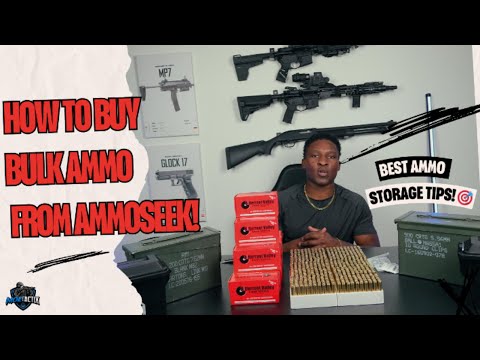
Deciding between a case and a boxed pack .338 Lapua Ammo for Sale hinges on your break-even point after shipping. Buy in bulk when your per-round cost, including freight, drops by at least 10–15% compared to four separate boxes—this typically happens at 500 rounds or more, where flat-rate shipping dilutes dramatically. Stick to boxed packs if you’re testing a new load, shooting less than 100 rounds monthly, or your budget can’t absorb a large single payment. Also, factor in storage humidity; a damp environment erases bulk savings fast. If you’re burning through a case within six months, bulk wins. Otherwise, boxed packs preserve flexibility without tying up cash in ammo you won’t use soon.
Common Problems With Large Ammo Purchases and How to Avoid Them
Buying bulk ammo saves money, but it comes with pitfalls. Common problems with large ammo purchases start with storage: moisture ruins primers and powder, so invest in sealed ammo cans with desiccant packs. Another issue is buying a caliber you don’t actually shoot often—stick to your most-used rounds or you’ll sit on dead weight. Loose rounds in cardboard boxes get crushed, so transfer them into sturdy, labeled containers. Weight is a sneaky problem; 1,000 rounds of 9mm feels like a brick, so plan Ammunition for Sale your shelf load. Finally, test a small batch first—bulk ammo can be inconsistent. Fire 50 rounds before committing to a case. Rotate your stock, shoot the oldest first, and you’ll avoid squibs and jams. With these habits, your stash stays reliable and your wallet stays happy.
Handling Damaged Packaging or Loose Rounds Upon Delivery

When your bulk ammo order finally lands on the porch, a crushed box or a few rattling loose rounds can be a bummer, but it’s rarely a disaster. First, inspect the exterior of every shipping carton before you even slice the tape—take photos if the box looks like it took a beating. Then, open everything over a towel or tray so any stray rounds don’t roll under the couch. If you find loose bullets, check the case mouths for dents or bent rims; a visual once-over usually tells you if they’re safe to run. For damaged boxes, don’t stress—transfer the ammo into a sturdy, labeled ammo can or original factory tray. Finally, if any primer is struck, the bullet is deeply set, or the case looks cracked, set those aside and email the seller with your photos; most reputable dealers will replace or credit you quickly. Your job is just to sort, document, and store—then you’re ready to shoot.
What to Do if Your Firearm Malfunctions With a Specific Bulk Batch

If your firearm starts acting up with a specific bulk batch, stop shooting immediately and unload the weapon. Don’t assume it’s your gun—set that ammunition aside and test another box from the same case to isolate the problem. Check for visible dents, primer strikes, or powder residue on the suspect rounds, and compare their case lengths to a known-good cartridge. Isolating a defective bulk ammo batch is key before you waste time cleaning a perfectly fine firearm. Then, contact the manufacturer with the lot number—most will replace the batch.
- Record the lot number and box code before contacting support.
- Test 10–15 rounds from a different box in the same shipment.
- Inspect your firing pin and chamber for damage after clearing the malfunction.